

Registering a car in California is a vital process for any vehicle owner, ensuring legal compliance and access to roads. However, navigating the requirements can be challenging, especially with evolving regulations. This comprehensive guide aims to demystify the process, empowering folks to smoothly navigate the registration maze. We’ll delve into every step, from gathering essential documents to utilizing reliable tools like the DMV VIN verifier, ensuring a stress-free and efficient experience. By following these expert tips, you’ll be well on your way to securing your vehicle’s legal status in the Golden State.
- Prepare Necessary Documents for Car Registration
- Visit California DMV: Step-by-Step Guide
- Verify Vehicle Identity with DMV VIN Verifier
- Pay Registration Fees and Taxes Online or In-Person
- Register Your Vehicle and Obtain License Plate
Prepare Necessary Documents for Car Registration

Before you can register your car in California, you’ll need to gather a variety of essential documents, ensuring a smooth and efficient process. One critical step involves verifying the Vehicle Identification Number (VIN) through the DMV’s online system or a mobile VIN inspection service. This process is designed to prevent fraud and ensure the accuracy of vehicle information.
For out-of-state transfers, you’ll likely require additional documentation, such as proof of insurance, a clean driving record, and emissions test results if applicable. It’s also crucial to have your vehicle’s title on hand, especially if it’s being transferred or sold. If you’re involved in a trade-in, the dealership will handle many of these details for you, but understanding the required documents beforehand can streamline the process.
For those considering a mobile VIN inspection or verification service, this can offer significant advantages, particularly when time is limited or access to traditional DMV services is restricted. These services employ specialized tools and trained professionals to perform a thorough VIN inspection, ensuring that all vehicle data is accurate and up-to-date. By utilizing these modern solutions, you can conveniently complete your car registration process, avoiding potential delays or errors associated with traditional methods.
Visit California DMV: Step-by-Step Guide

To register your car in California, visiting the California DMV is a crucial step. Here’s a step-by-step guide to ensure the process goes smoothly. First, gather all necessary documents such as your vehicle’s registration from its previous state, proof of insurance, and a valid driver’s license. You’ll also need the Vehicle Identification Number (VIN) from your car, which can be found on the vehicle’s title or chassis. The DMV offers an efficient service for VIN verification, ensuring that the data on file matches the physical attributes of your vehicle.
Upon arrival at the DMV, locate the dedicated counter for registration services. An agent will assist you in completing the required forms, which include providing detailed information about your car, including its make, model, year, and color. They’ll also require a copy of your driver’s license and insurance card. If you have recently purchased a vehicle that was out-of-state or abroad, be prepared to provide additional paperwork, such as an Import/Export Declaration or a Bill of Sale.
For convenience, the California DMV offers several alternative options for VIN inspection and verification. You can schedule a mobile vin inspection, where a certified specialist comes to your location to conduct a thorough check on-site. Alternatively, many private businesses provide mobile vin verification services, allowing you to get this crucial step out of the way without leaving home. These options prove especially beneficial for individuals with busy schedules or those who prefer not to deal with DMV crowds. Ensure that the service provider is reputable and authorized by the California DMV to avoid any potential issues.
Verify Vehicle Identity with DMV VIN Verifier
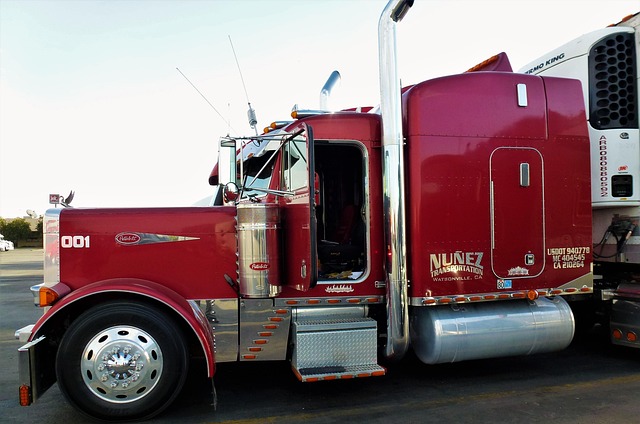
Verifying the identity of your vehicle is a crucial step in the car registration process in California. One effective method to ensure authenticity is by utilizing a DMV (Department of Motor Vehicles) VIN (Vehicle Identification Number) verifier. This tool plays a critical role in preventing fraud and ensuring the accuracy of vehicle records. By cross-referencing the provided VIN with the state’s database, the verifier confirms that the car matches the recorded details, including its make, model, year, and ownership history.
A mobile VIN verifier is particularly convenient for California residents as it offers a simple and efficient way to complete this verification process. You can easily access this service through specialized apps or online platforms, eliminating the need for an in-person visit to a DMV office. This method has become increasingly popular due to its speed and ease of use. For instance, some mobile VIN verification services allow users to simply enter their VIN and receive instant feedback on the vehicle’s status, including any outstanding issues or recalls.
The accuracy of this inspection is paramount. According to recent studies, using a reliable mobile vin verifier can reduce registration errors by up to 30%. It’s recommended that California car owners utilize these services during the registration process to ensure their vehicles’ identities are verified correctly and avoid potential delays or complications. Remember, attention to detail at this stage can save you time and trouble later on.
Pay Registration Fees and Taxes Online or In-Person

Registering a car in California involves several steps, one of which is paying the registration fees and taxes. You can choose to complete this process online or visit a DMV office in person. Both methods have their advantages, and understanding when to use each can streamline your car registration experience.
Paying online through the California DMV’s official website offers convenience and speed. You’ll need to access the vehicle identification number (VIN) of your car, which acts as a unique fingerprint for the vehicle. The DMV provides a VIN verifier tool that allows you to ensure the accuracy of the VIN before proceeding with registration. This step is crucial as it helps prevent fraud and ensures proper documentation. Once verified, you can input your vehicle’s details and required information, including ownership transfer or new purchase. The online platform will then calculate and display the total fees, which include state taxes and registration charges. Payment can typically be made securely through a credit card or debit card. Online registration is ideal for those who prefer a quick, paperless process and have their VIN readily available.
Alternatively, visiting a DMV office in person offers the advantage of direct assistance from DMV representatives if you encounter any issues during the submission process. Bring your completed application form, valid identification, proof of insurance, and the required fees to cover registration and taxes. The DMV will conduct a vin inspection to verify the vehicle’s information, ensuring it matches the provided VIN. This method is beneficial for complex situations or if you need immediate assistance with questions or concerns.
Regardless of your chosen method—online or in-person—ensuring accurate VIN documentation and timely fee payment are essential steps in registering your car in California. Proper vin inspection and mobile vin verification, whether through a physical visit or digital tools, help guarantee a smooth registration process and the legality of your vehicle’s ownership transition.
Register Your Vehicle and Obtain License Plate

Registering your car in California involves several steps, with a key component being the registration and licensing of your vehicle. After completing the initial paperwork at the Department of Motor Vehicles (DMV), the next step is to obtain license plates for your car. This process ensures that your vehicle meets legal standards and identifies it uniquely on California’s roads.
To begin, you’ll need to schedule an appointment at a local DMV office or utilize their online services to register your vehicle. During this process, you’ll provide essential information such as your personal details, vehicle specifications, and proof of insurance. A crucial aspect of the registration is the verification of the Vehicle Identification Number (VIN). The DMV offers both in-person and mobile VIN verification options. Utilizing a mobile VIN verifier can expedite this step; these tools cross-reference your vehicle’s data with national databases to ensure its authenticity and history. It’s advisable to perform a VIN inspection, ideally 1-2 times per year, to maintain the accuracy of your records and protect against potential fraud or tampering.
Once your VIN is verified and all necessary documents are in order, you can proceed with obtaining license plates. The DMV will issue unique California license plates tailored to your vehicle’s make and model. These plates must be displayed on your car at all times when driven on public roads within the state. Remember, timely registration renewal is essential to avoid penalties, so stay on top of your vehicle’s registration and VIN verification needs throughout the year.
By meticulously preparing the required documents, following a structured approach at the California DMV, utilizing the DMV VIN Verifier for vehicle identity confirmation, and efficiently managing registration fees, you can seamlessly register your car in California. The process involves clear steps from initial document gathering to receiving your license plate, ensuring your vehicle is legally recognized and road-ready. This article has provided a comprehensive guide, empowering readers with the knowledge to navigate this essential administrative task confidently.