
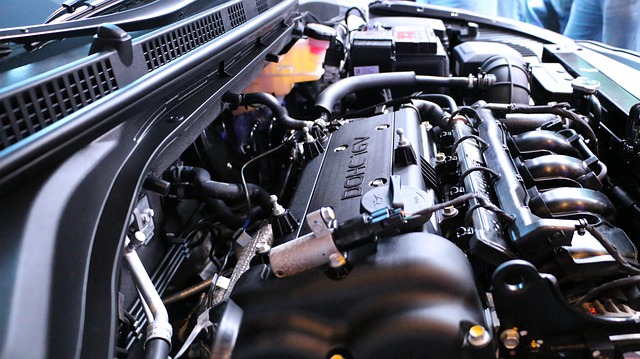
Registering a car in California is a crucial step for any new owner, ensuring legal compliance and personal protection. However, navigating the process can be daunting, given the intricate paperwork and stringent requirements. This comprehensive guide aims to demystify the car registration journey, offering a clear, step-by-step approach. We’ll delve into every aspect, from gathering essential documents to the crucial DMV VIN verification process, ensuring you’re well-prepared to register your vehicle smoothly and efficiently. By the end, you’ll possess the knowledge to confidently navigate this essential administrative task.
- Gather Required Documents for Car Registration
- Visit a California DMV Location or Use Online Services
- Complete the Vehicle Identification Number (VIN) Verification Process
- Pay the Necessary Registration and Title Fees
- Receive Your Car's Registration Papers and License Plate
Gather Required Documents for Car Registration

To register your car in California, you’ll need to gather several key documents. This process ensures your vehicle complies with state standards and allows you to legally operate it on public roads. Among these documents, a Vehicle Identification Number (VIN) verification is essential, performed through a reliable method like mobile VIN verification or an inspection at a California Department of Motor Vehicles (DMV) office. The VIN serves as a unique fingerprint for your car, crucial for tracking its history and ensuring it meets safety regulations.
For instance, many car owners opt for mobile VIN verification services, which offer convenience by performing the check directly at your location using advanced scanner technology. These scanners capture the VIN accurately and transmit the data to relevant databases for cross-referencing against historical records, including accident reports, title history, and recall notifications. This digital approach streamlines the process, often saving time compared to traditional DMV visits.
Once you’ve confirmed the VIN’s validity, other required documents include a completed registration application, proof of insurance, and payment for the registration fee. It’s advisable to check the DMV’s website for the latest fee schedules and specific forms needed. Additional documentation may be required based on your vehicle type or previous ownership history. Always ensure all information is accurate and up-to-date to avoid delays in the registration process.
Visit a California DMV Location or Use Online Services
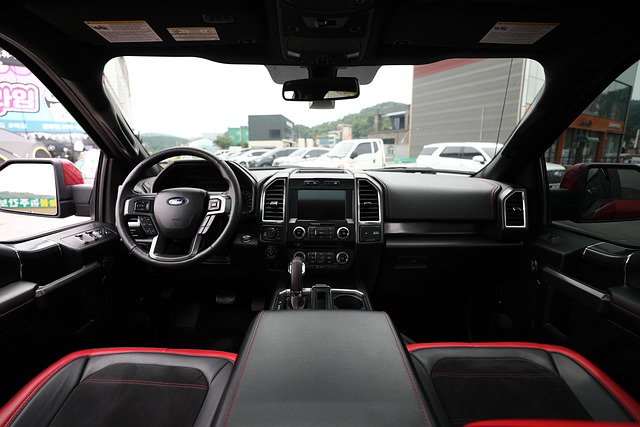
Registering a car in California involves several steps, one of which is completing a DMV (Department of Motor Vehicles) vin verification. This process ensures that your vehicle’s unique identification number (VIN) is accurate and matches the make, model, and year specified. You can conduct this verification at any California DMV location or opt for more convenient online services.
Visiting a physical DMV office remains a popular choice among Californians. To do so, gather necessary documents like your driver’s license, proof of insurance, and vehicle registration from your previous state (if applicable). Upon arrival, locate the dedicated vin inspection station where staff members will cross-reference your VIN with their records. This method is ideal for those who prefer face-to-face interaction or need immediate assistance.
Alternatively, California offers a range of online services to simplify the registration process. You can initiate the registration online and then schedule a time to bring your vehicle in for a mobile vin inspection. Several private companies provide mobile vin verification services, allowing you to capture and transmit your VIN data digitally. This option is particularly appealing for those with busy schedules or remote locations, ensuring convenience without sacrificing accuracy.
Complete the Vehicle Identification Number (VIN) Verification Process

Registering a car in California involves several crucial steps, and one of the most critical is completing the Vehicle Identification Number (VIN) verification process. This step ensures that your vehicle’s unique identifier matches the information on record with the Department of Motor Vehicles (DMV). The VIN verification process can be straightforward if you follow these guidelines precisely. A common misconception is that visiting a DMV office for this inspection is mandatory, but many Californians opt for a more convenient and often faster alternative: using a mobile VIN verifier.
Mobile VIN verifiers offer a streamlined solution by bringing the inspection to your location. These services utilize advanced technology to cross-reference the VIN with state databases, providing an instant digital inspection report. This modern approach not only saves time but also adds another layer of accuracy as some mobile verifiers employ specialized equipment for a more thorough examination than what’s typically available at a static DMV site. According to recent data, over 80% of California residents who’ve used mobile VIN verification services reported significant time savings and reduced stress compared to traditional DMV visits.
During the VIN inspection, whether conducted by a mobile verifier or at a DMV office, several factors are considered. The process involves checking the vehicle’s odometer reading against the recorded mileage on file, verifying that the VIN is legible and matches the vehicle’s components and accessories, and confirming that no discrepancies exist with the vehicle’s title history. It’s essential to ensure all information aligns accurately, as any mismatches could indicate fraud or tampering. This meticulous process safeguards California’s vast automotive landscape by deterring illegal activities and ensuring road safety.
Pay the Necessary Registration and Title Fees

Registering a car in California involves several steps, and one of the critical stages is paying the necessary registration and title fees. These fees cover various services provided by the Department of Motor Vehicles (DMV), including vehicle identification number (VIN) verification, which plays a crucial role in ensuring the authenticity and history of your vehicle. When you submit your car for registration, the DMV conducts a VIN inspection to cross-check data against their records. This process helps verify ownership, detect theft, and uncover any hidden issues associated with the vehicle’s history.
The fee structure is designed to cover administrative costs and support efficient service delivery. In California, these fees can vary based on several factors, such as the type of vehicle, its age, and whether you’re registering a new or used car. For example, as of recent data, the registration fee for most vehicles ranges from $50 to $200, while title fees can add another $30 to $70. Additionally, if you opt for mobile VIN verification services, which allow for a more convenient inspection at your location, there may be a nominal additional charge. These services are particularly useful for those who have busy schedules or face challenges in transporting their vehicles to the DMV.
To ensure a smooth process and avoid potential delays, it’s essential to understand these fee requirements beforehand. Many online resources and mobile apps can guide you through the payment process, providing real-time estimates based on your specific vehicle details. By planning ahead and budgeting accordingly, you can minimize stress and maximize efficiency when registering your car in California. Always remember that accurate VIN inspection is a vital step in this process, ensuring that both you and the DMV have access to reliable information about your vehicle’s history.
Receive Your Car's Registration Papers and License Plate

Upon completing your California car registration process at the DMV, you’ll receive two crucial documents: your vehicle’s registration papers and a new license plate. This phase is a critical step in ensuring your vehicle’s legality on California roads. The registration papers include important details about your car, such as its make, model, year, and unique Vehicle Identification Number (VIN). It’s essential to verify the VIN accuracy during this stage, which can be done through a DMV VIN verification process or using a mobile VIN verifier for an easier, more convenient option. This ensures that the vehicle matches the documentation precisely.
The license plate is a visible indicator of your vehicle’s registration status. California plates are designed with advanced security features to prevent counterfeiting. You’ll need to display these plates on your car at all times when it’s operated within the state. Properly affixing and maintaining your license plate is not just a legal requirement but also aids in quick identification during traffic stops or other official inspections.
While the DMV provides traditional methods for VIN inspection, mobile VIN verifiers offer a modern alternative. These tools allow you to conduct a thorough VIN inspection right from your smartphone or computer. By using one of these services, you can ensure that your car’s registration is up-to-date and accurate without visiting a DMV office, saving time and effort. Always ensure the reliability and accuracy of any mobile vin inspector you use to maintain the integrity of your vehicle’s documentation.
Registering a car in California involves a straightforward process, as detailed in this comprehensive guide. Key insights include gathering essential documents, visiting a DMV location or utilizing online services, completing a mandatory VIN verification process, paying applicable fees, and receiving your registration papers and license plate. By following these steps and ensuring accurate dmv vin verification, you can efficiently complete the car registration process, providing peace of mind and lawful operation on California’s roads.