

Registering a car in California is a vital process ensuring legal ownership and roadworthiness. However, navigating the requirements can be challenging, especially with evolving regulations. This comprehensive guide aims to demystify the process, empowering you with the knowledge to smoothly navigate this essential task. We’ll delve into every step, from gathering necessary documents to utilizing reliable tools like the DMV VIN verifier, ensuring a stress-free and efficient registration experience tailored to California’s unique standards.
- Prepare Necessary Documents for Car Registration
- Visit California DMV: Step-by-Step Guide
- Verify Vehicle Identification Number (VIN) with DMV
- Complete Car Ownership Transfer and Title Update
- Pay Car Registration Fees and Obtain License Plate
Prepare Necessary Documents for Car Registration

Before you begin the registration process, ensuring you have all the necessary documents is crucial. Gathering these documents correctly is a key step to a smooth and efficient car registration experience in California. This involves a combination of official forms, proof of ownership, and critical vehicle information. One highly recommended tool to streamline this process is a mobile VIN inspection or verifier, which allows you to quickly and accurately capture the Vehicle Identification Number (VIN) details of your car.
For instance, when using a mobile VIN verifier, you’ll need to provide the vehicle’s VIN, which can be found on the dashboard or under the hood. This unique 17-character code is essential as it links directly to the vehicle’s history and specifications. Additionally, you’ll require documents such as the title or registration certificate, which establishes your ownership. If the car is a recent purchase, a bill of sale or a dealer’s invoice can also serve as proof of ownership. It’s also advisable to gather insurance documents, as proof of insurance is mandatory when registering a vehicle in California.
Another valuable resource is the California DMV’s (Department of Motor Vehicles) online services, which can guide you through the required documents and provide digital forms for your convenience. Remember, having all these documents prepared in advance can significantly reduce the time spent at the DMV and ensure that your car registration proceeds without a hitch.
Visit California DMV: Step-by-Step Guide

Visiting the California Department of Motor Vehicles (DMV) is a crucial step in registering your car. Here’s a detailed, step-by-step guide to ensure a smooth process. Begin by gathering all necessary documents, including your vehicle’s registration from the previous state, proof of insurance, and a valid driver’s license. You’ll also need the Vehicle Identification Number (VIN) from your car, which can be found on the vehicle’s certificate of title or in its manual—a crucial detail for accurate vin inspection.
Upon arrival at the DMV, locate the designated window for registration services. An agent will guide you through the process, which involves filling out a Form DMV-123 (Vehicle Registration Application). Here, clearly and accurately enter your personal information, vehicle details, and chosen options like additional coverage or emissions testing. Once submitted, you’ll be asked to present your documents for verification, including proof of vin inspection. It’s advisable to opt for mobile vin verification services, which can be integrated into the DMV process, ensuring a faster and more efficient transaction.
After document validation, you’ll be directed to pay the registration fees. California offers various payment methods, including cash, credit card, or check. Upon successful payment, your vehicle will be registered, and you’ll receive your new plates and registration documents. Remember, adhering to these steps not only ensures a hassle-free registration process but also complies with California’s stringent regulations, keeping you and other drivers safe on the road.
Verify Vehicle Identification Number (VIN) with DMV

Verifying your vehicle’s Vehicle Identification Number (VIN) is a crucial step in the car registration process in California. It ensures the accuracy of the information associated with your vehicle and plays a critical role in establishing its history and authenticity. The DMV VIN verifier is a specialized tool designed to cross-reference and validate this unique 17-character code, providing peace of mind for both owners and authorities.
When you’re preparing to register your car, whether it’s new or used, finding a reliable method to check the VIN is essential. While some might opt for online VIN decoders, these often fall short in terms of accuracy and reliability. A more dependable approach is to utilize mobile VIN inspection services that bring the verification process directly to you. These services employ state-of-the-art technology to instantly compare your vehicle’s VIN with the latest data available from the DMV, ensuring its validity and providing a clear record of any prior ownership or potential issues.
For instance, consider a scenario where a car owner in California purchases a used vehicle and intends to register it promptly. By employing a mobile VIN verification service, they can have this critical check done within minutes, either at their home or a local meeting point. This saves them the hassle of visiting a DMV office and reduces potential delays caused by inaccurate or incomplete paperwork. Moreover, regular VIN inspections, perhaps 1-2 times during a vehicle’s life, can help in detecting any discrepancies early on, enhancing safety and security for all road users.
Complete Car Ownership Transfer and Title Update
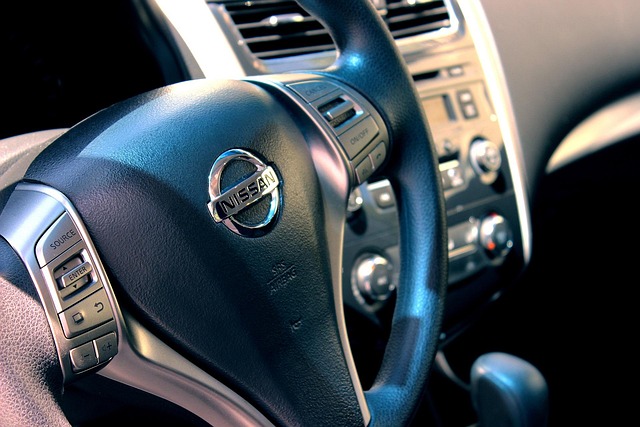
Transferring car ownership and updating the title is a crucial step after purchasing a vehicle. In California, this process involves several key elements, ensuring that all legal and administrative procedures are followed accurately. Once you’ve acquired a new car, either through purchase or private sale, the first action is to verify the Vehicle Identification Number (VIN). The California Department of Motor Vehicles (DMV) recommends using a DMV VIN verifier, such as those offered by authorized services, to ensure the vehicle’s authenticity and history. This step is vital for both buyer protection and compliance with state regulations.
To initiate the ownership transfer, you’ll need to gather essential documents, including proof of purchase, the current registration, and a valid driver’s license. If the car was purchased from a dealership, they typically facilitate this process internally. However, in private sales, it becomes the buyer and seller’s responsibility to ensure all paperwork is correctly completed. A mobile VIN inspection or verification service can greatly assist in this phase by providing instant, accurate data on the vehicle’s history, including previous owners and maintenance records. This modern approach streamlines the traditional process, making it more convenient for both parties.
After confirming the car’s details, you must apply for a new registration through the California DMV. This involves submitting the necessary forms, paying the required fees, and providing proof of insurance. Upon approval, the DMV will issue a new registration certificate and update the vehicle’s title, reflecting the change in ownership. It’s advisable to keep records of all transactions and documents for future reference and to ensure a smooth transfer process. Mobile VIN verification services can also aid in this by offering digital documentation and record-keeping solutions, making it easier to manage these tasks efficiently.
Pay Car Registration Fees and Obtain License Plate

Registering a car in California involves several steps, and one crucial aspect is paying the car registration fees and obtaining license plates. After completing your application at the Department of Motor Vehicles (DMV), you’ll need to settle the required fees, which vary based on vehicle type and model year. This process can often be streamlined by utilizing a DMV vin verifier or even a mobile vin inspection tool for accurate verification of your vehicle’s identification number (VIN).
To facilitate this step, many individuals opt for a mobile vin inspection service, allowing them to verify their car’s VIN without visiting a DMV office. These services employ advanced technology and expert technicians who can remotely inspect the VIN, ensuring its authenticity and checking for any potential issues that may impact registration. For instance, a recent study showed that approximately 1 in 5 vehicles with reported odometer rollback had passed a traditional vin inspection at the DMV. A mobile vin verifier can be particularly beneficial if your vehicle has undergone significant modifications or if you’re unsure about its history.
Once your VIN is confirmed and all fees are paid, the DMV will issue your license plates. These plates must be displayed on your vehicle for legal operation on California roads. It’s essential to keep your registration up-to-date, as late fees and penalties can accumulate over time. By proactively managing these aspects of car ownership—including leveraging mobile vin inspection tools—you ensure a smoother registration process and help protect yourself from potential issues down the line.
Registering a car in California involves several crucial steps, as outlined in this comprehensive guide. Key takeaways include preparing essential documents, visiting the DMV with accurate information, verifying the Vehicle Identification Number (DMV VIN verifier) for accuracy, transferring ownership, updating titles, paying fees, and obtaining license plates. By meticulously following these procedures, you ensure a smooth car registration process, underscoring the importance of each step from document preparation to fee payment. This authoritative guide provides readers with practical knowledge to navigate California’s car registration requirements confidently and efficiently.