

Looking to register your car in California? This comprehensive guide breaks down the process step by step, ensuring you meet all requirements. From understanding crucial car registration needs to gathering essential documents and verifying your Vehicle Identification Number (VIN) with the DMV, each phase is clearly explained. By following this detailed roadmap, you’ll be well on your way to a smooth and successful vehicle registration experience. Don’t forget to utilize our helpful dmv vin verifier tools along the way.
- Understand California Car Registration Requirements
- Gather Necessary Documents for Car Registration
- Visit Your Local DMV: Step-by-Step Guide
- Verify Vehicle Identification Number (VIN) with DMV
- Complete and Submit Car Registration Application
Understand California Car Registration Requirements

Before registering your car in California, it’s crucial to understand the state’s specific requirements. The California Department of Motor Vehicles (DMV) mandates several steps for new and used vehicle registration, including a thorough inspection to ensure the car meets safety and emissions standards. One critical component of this process is verifying the Vehicle Identification Number (VIN). The DMV utilizes advanced VIN verifiers, like mobile VIN verification services, to cross-reference the provided VIN with official records, ensuring the vehicle’s authenticity and preventing fraud.
Additionally, you’ll need to have your car inspected for emissions, as California has stringent environmental regulations. This inspection, often conducted at certified repair facilities or through mobile VIN verifier services, confirms that your vehicle emits at or below the legal limit of pollutants. Once all requirements are met, including the successful VIN inspection and emissions test, you can proceed with submitting the registration application at a DMV office or online.
Gather Necessary Documents for Car Registration

Before registering your car in California, ensure you have all the required documents. The process begins with verifying the vehicle’s unique identifier—the Vehicle Identification Number (VIN). Utilize a trusted DMV VIN verifier or even a mobile vin verifier app to confirm its authenticity and history. This step is crucial as it ensures you’re purchasing a safe and legal vehicle.
Gather essential papers such as proof of ownership, valid driver’s license, current registration (if transferring from another state), and proof of insurance. Additionally, have your sales agreement or bill of sale ready, especially if buying from a private seller. For a mobile vin inspection, these documents can often be submitted digitally, making the registration process more accessible and efficient.
Visit Your Local DMV: Step-by-Step Guide
Visit Your Local DMV: Step-by-Step Guide
1. Locate Your Nearest DMV Office: Start by identifying your local Department of Motor Vehicles (DMV) office. California has numerous DMV locations, and you can easily find one near you through their official website or a quick online search.
2. Gather Required Documents: Before heading to the DMV, ensure you have all the necessary documents, including your current vehicle registration (if applicable), proof of ownership (such as a title or bill of sale), insurance card, and a valid driver’s license. If transferring a title, you might need additional paperwork.
3. Complete Application Forms: Upon arrival at the DMV, obtain and complete the required forms for registering your car. You’ll typically need Form DV-140 (Application for Title/Registration). Fill it out accurately, providing essential details like your personal information, vehicle specifications, and preferred registration period.
4. Submit Required Fees: Registration in California involves fees, which vary based on factors like the age of your vehicle and whether you’re transferring a title. Pay the necessary fees using accepted methods, typically cash, check, or credit card.
5. Provide Proof of Identification and Insurance: Present valid forms of identification, such as a driver’s license or passport, to verify your identity. Additionally, show proof of current auto insurance coverage. This step is crucial for ensuring compliance with California’s legal requirements.
6. Conduct a Vehicle Inspection: In many cases, a DMV employee will inspect your vehicle to ensure it meets safety and emission standards. They’ll check the vehicle identification number (VIN) using a verifier to confirm its authenticity. Some offices even offer on-site mobile VIN inspection services for added convenience.
Verify Vehicle Identification Number (VIN) with DMV

Before proceeding with the registration process, it’s crucial to ensure that your vehicle’s Vehicle Identification Number (VIN) is valid and accurately matches the details in the DMV system. This step involves a simple yet vital process of verifying the VIN. One effective method is to use the services offered by the Department of Motor Vehicles (DMV) for vin inspection. You can either visit a local DMV office or, for added convenience, opt for a mobile vin verification service. These services will cross-check your vehicle’s VIN with their database, ensuring it’s legitimate and unaltered.
A correct VIN inspection is an essential part of the registration process as it helps to prevent fraud and ensures that you’re providing accurate information. This step can save time and potential headaches later on, so it’s recommended to dedicate a few minutes to this task. With the help of these official verifiers, you can rest assured that your vehicle’s registration journey will be smooth and secure.
Complete and Submit Car Registration Application
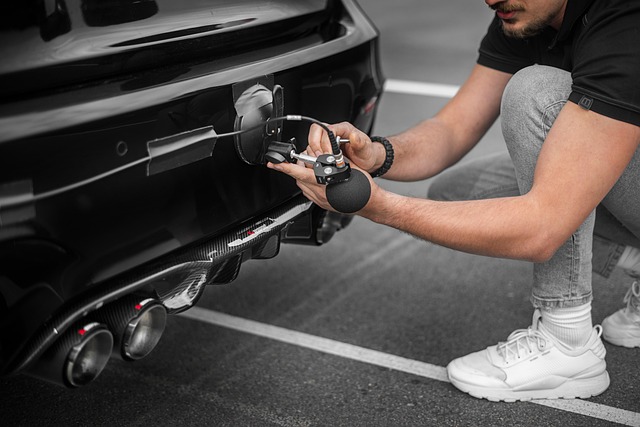
To register your car in California, the first step is to complete and submit the Car Registration Application. This form can be acquired from the California Department of Motor Vehicles (DMV) or downloaded online. Fill out all required sections accurately, ensuring that your vehicle’s information, including the Vehicle Identification Number (VIN), is correctly recorded. The VIN is a crucial piece of data for any car registration process, and you may want to utilize a DMV VIN verifier or even arrange for a mobile VIN inspection to ensure its validity.
Once completed, submit the application along with the necessary documents and fees. These typically include proof of insurance, a valid driver’s license, and payment for the registration fee. You can do this at your local DMV branch or, in some cases, opt for a mobile vin inspection service that can process the registration on-site, making the entire process more convenient.
Registering a car in California is a straightforward process that requires understanding local regulations, gathering essential documents, and visiting your local Department of Motor Vehicles (DMV). By following our step-by-step guide, including verifying the Vehicle Identification Number (VIN) with the DMV using a reliable VIN verifier, you can ensure a smooth experience. Remember to keep all necessary records up-to-date for hassle-free future renewals.