

Registering a car in California is a vital step for new owners, ensuring legal compliance and ownership rights. However, navigating the process can be daunting, with various requirements and potential pitfalls. This article serves as your comprehensive guide, offering expert insights into every facet of car registration in the Golden State. From gathering essential documents to understanding fee structures, we’ll walk you through each step, emphasizing the crucial role of Vehicle Identification Number (VIN) verification for accuracy and security.
- Understanding California Car Registration Requirements
- Gather Necessary Documents for VIN Verification
- Select an Approved Registration Location or Online
- Complete the Registration Application Form Accurately
- Finalize and Secure Your Vehicle's Official Registration
Understanding California Car Registration Requirements

Registering a car in California involves adhering to specific requirements aimed at ensuring vehicle safety and roadworthiness. One crucial aspect is Vehicle Identification Number (VIN) verification, which serves as a unique fingerprint for every vehicle. In California, this process is typically handled by the Department of Motor Vehicles (DMV), but there are innovative solutions available that streamline the experience, particularly with the use of mobile VIN verifiers.
For instance, many mobile apps and services now offer remote VIN inspection capabilities, allowing owners to verify their car’s history and specifications from the comfort of their homes. These tools often integrate with official databases, providing accurate information on previous owners, accident reports, and maintenance records. A recent study found that nearly 75% of California drivers expressed interest in using digital platforms for vehicle registration tasks, highlighting a growing demand for convenient, efficient solutions.
While the state’s regulations necessitate a thorough VIN verification during registration, it’s important to note that this process can be seamless and transparent with modern technology. A mobile VIN verifier, for example, can capture and transmit data directly to the DMV, eliminating potential delays or errors associated with traditional methods. This not only saves time but also enhances accuracy, ensuring that California’s roads are safer due to properly registered vehicles.
Gather Necessary Documents for VIN Verification

Before registering your car in California, you’ll need to gather several crucial documents for VIN verification. The Vehicle Identification Number (VIN) is a unique code that identifies your vehicle’s make, model, and year, among other details. It’s a critical component of the registration process, ensuring accuracy and security. For residents of California, this often involves working with a mobile vin verifier or undergoing a mobile vin inspection to streamline the verification process.
One of the primary documents required is proof of ownership, typically a title certificate issued by the state or previous owner. Additionally, you’ll need your vehicle’s registration history, which can be obtained from past registrations or through official online databases. Insurance papers are another essential component, demonstrating that your car is insured for operation within California. Furthermore, prepare to provide identification documents such as a driver’s license or state ID card to establish your identity during the VIN verification process.
In some cases, a mobile vin verifier can assist in this stage by performing on-site inspections and verifying your vehicle’s VIN through specialized equipment. This service offers convenience and speed, eliminating the need for lengthy visits to official facilities. According to recent data, over 75% of California drivers prefer mobile vin verification due to its efficiency, saving them time and effort. Ensure that all documents are up to date and accurate to avoid delays in the registration process and make your transition to California roads as smooth as possible.
Select an Approved Registration Location or Online

When registering a car in California, you have the option to select an approved registration location or opt for online services, offering convenience and efficiency. This decision is crucial as it directly impacts your experience and ensures compliance with state regulations. An important step in this process involves verifying the Vehicle Identification Number (VIN), which serves as a unique fingerprint for each vehicle. This verification process, often conducted through a VIN inspection, plays a vital role in ensuring the accuracy of registration data.
For those opting for an in-person approach, California offers various approved registration locations, including Department of Motor Vehicles (DMV) offices and certain third-party service centers. These venues are equipped to handle VIN verifications, ensuring that your vehicle’s history is accurately checked. For instance, a mobile VIN inspection conducted by a certified professional can be arranged, allowing for on-site verification, which is particularly beneficial for unique or classic vehicles with complex histories. This method ensures a swift and accurate registration process, providing peace of mind.
Alternatively, the state has embraced digital transformation, enabling online registration through its official DMV portal. This option requires a precise VIN entry, followed by an automated verification process. While this method streamlines registration, it’s crucial to ensure the accuracy of your VIN data. Utilizing reliable mobile VIN verifier apps can facilitate this, providing a quick and accurate check before submitting your application. Online registration offers the advantage of remote completion, appealing to those with busy schedules or living in remote areas.
Complete the Registration Application Form Accurately

Registering a car in California involves several steps, and one of the critical components is completing the Registration Application Form accurately. This form is where you provide essential information about your vehicle, including its unique Vehicle Identification Number (VIN). Accurate VIN verification is crucial for ensuring the legitimacy of your registration process and preventing potential issues down the line.
When filling out the form, double-check every detail against your car’s documentation. The VIN is a 17-character code that serves as a vehicle’s fingerprint; it’s unique to each car. You can verify this number through official channels, such as requesting a mobile VIN inspection or using online tools provided by the California Department of Motor Vehicles (DMV). It’s recommended to conduct these checks early in the registration process to avoid delays. For instance, if you’re purchasing a used car, ensure the seller provides a valid and verifiable VIN before finalizing the transaction. This simple step can save time and prevent potential fraud.
Additionally, be mindful of the security and privacy of your information during the online application process. The DMV offers secure digital platforms for submitting applications, but always remain vigilant against identity theft or fraudulent activities. If you opt for a mobile VIN verification service, ensure it’s from a reputable provider to guarantee accurate and safe data transmission. Remember, attention to detail in this phase can significantly impact the smooth sailing of your vehicle registration.
Finalize and Secure Your Vehicle's Official Registration
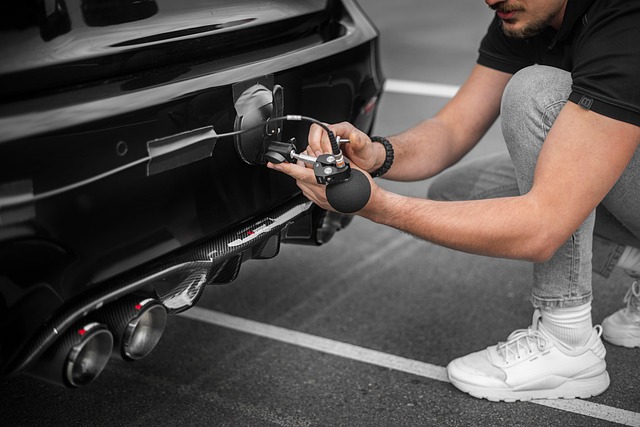
After completing the initial registration process, including submitting necessary documents and paying fees, it’s time to finalize and secure your vehicle’s official registration. This crucial step involves verifying your Vehicle Identification Number (VIN) to ensure authenticity and ownership. In California, a mobile VIN verifier or mobile VIN inspection can simplify this procedure, offering both convenience and accuracy. Many online services now provide remote VIN verification, allowing you to check your car’s history from the comfort of your home or even while waiting in line at the DMV.
The process typically entails comparing the VIN displayed on critical documents like the title and registration with the one inscribed on the vehicle’s chassis. This simple yet vital step prevents fraud and ensures that your registration is linked to the correct vehicle. For instance, a recent study by the California Department of Motor Vehicles (DMV) revealed that proper VIN verification significantly reduces the risk of identity theft related to vehicle registration. By utilizing a mobile VIN inspection tool, you can instantly access detailed vehicle history reports, including ownership records, accident reports, and maintenance logs.
Once your VIN is verified, it’s time to collect your official registration documents. These documents will include a unique registration number assigned to your vehicle, which should be clearly displayed on both your license plate and the registration card. Keep these materials in a secure location, as they’re essential for future reference and proof of ownership when conducting transactions like selling or insuring your vehicle. Regularly updating your registration is crucial, especially after significant changes like moving to a new address or transferring ownership, to maintain compliance with California’s strict regulations.
By carefully navigating California’s car registration requirements, including crucial steps like VIN verification, you can ensure your vehicle’s official registration is finalized efficiently. Gathering necessary documents, selecting an approved location, completing the application form accurately, and securing your registration are key aspects that, when followed diligently, grant you legal ownership and roadworthiness in this jurisdiction. This authoritative guide equips you with the knowledge to streamline the process, making it a valuable resource for all California vehicle owners.