
Registering a car in Vehicle is a crucial step for any new vehicle owner, ensuring legal compliance and smooth operation on state roads. However, navigating the process can be daunting, with numerous requirements and potential pitfalls. Many owners are unfamiliar with the necessary steps, leading to delays and unnecessary stress. This comprehensive guide aims to demystify the registration process, providing a clear roadmap for California residents. We'll delve into every aspect, from gathering essential documents to utilizing reliable tools like the DMV VIN verifier, ensuring a seamless and efficient experience.
- Prepare Required Documents for Car Registration
- Visit Your Local California DMV Office or Use Online Services
- Verify Vehicle Identification Number (VIN) with DMV or Trusted Tools
- Complete the Registration Application Form Accurately
- Pay Registration Fees and Receive Your Vehicle's Title
Prepare Required Documents for Car Registration

Before you begin the registration process for your new or used car in California, ensure you have all the necessary documents ready. This step is crucial to avoid delays and potential issues at the Department of Motor Vehicles (DMV). Gathering the correct paperwork is a straightforward yet vital task that forms the foundation of a smooth car registration experience.
The key document you'll require is the Vehicle Identification Number (VIN) inspection report. In California, this often involves utilizing a DMV VIN verifier or a mobile VIN inspection service to ensure the vehicle's history and authenticity. This process verifies that the car has not been reported stolen and checks its odometer reading for any discrepancies. For example, some mobile VIN verification services can provide instant reports online, making it easy to confirm the vehicle's status before heading to the DMV. It's recommended to have this report readily available, as it streamlines the registration process significantly.
Additionally, you'll need basic paperwork like a valid driver's License, proof of insurance, and perhaps even previous registration documents if you're transferring ownership. Having these prepared ensures that your visit to the DMV is efficient, allowing you to focus on completing the registration rather than scrambling for missing papers. Always check the specific requirements on the California DMV website, as they may provide a comprehensive list of accepted documents to save you time and effort.
Visit Your Local California DMV Office or Use Online Services

To register your car in California, one of the most efficient approaches is to visit your local California DMV office or utilize their online services. The DMV offers both in-person and digital options for convenience and accessibility. If you choose to go in-person, prepare all necessary documents, including proof of ownership, vehicle identification number (VIN) verification, and valid identification. A key step in the process is ensuring your VIN is accurate and available through a reliable VIN inspection service. Many California DMV locations now accept mobile VIN inspections, making it easier for you to verify your car's information without leaving home.
Online registration simplifies the process by guiding you through digital forms and allowing you to upload documents. The DMV's website provides step-by-step instructions, ensuring you have all required information, including a current vehicle inspection report. If challenges arise, you can contact the DMV for assistance or consider using a mobile VIN verifier to streamline the verification process. For instance, services like Carfax or AutoCheck offer mobile apps that enable you to quickly and accurately obtain your vehicle's history and VIN data right from your smartphone.
Using these methods, you'll be well on your way to registering your car efficiently and correctly. Remember, accurate VIN information is paramount throughout the registration process, so ensuring it's correct through a trusted VIN inspection service or mobile verifier is crucial for a smooth experience.
Verify Vehicle Identification Number (VIN) with DMV or Trusted Tools

Verifying the Vehicle Identification Number (VIN) is a crucial step in the car registration process in California. This critical task ensures that you're registering the correct vehicle and helps prevent fraud. The VIN serves as a unique fingerprint for your car, containing vital information about its make, model, year, and even manufacturing details. To ensure accuracy, it's essential to use reliable methods to confirm the VIN, such as utilizing a DMV vin verifier or trusted third-party tools designed for this purpose.
One effective approach is to conduct a mobile VIN inspection. This method allows you to check your vehicle's VIN using a smartphone app or online platform that connects to state databases. Many of these services offer real-time validation, checking against the California DMV's records to confirm the vehicle's history and status. For instance, some popular tools can provide details like previous owners, accident reports, and outstanding recalls, empowering you with comprehensive insights before completing the registration.
Additionally, professional mobile VIN verifiers can perform on-site inspections, particularly useful for classic cars or vehicles with unique or altered components. These experts utilize specialized equipment to cross-reference the VIN with manufacturer records and official databases, ensuring its authenticity and providing peace of mind throughout the registration process. By employing these thorough methods, California residents can confidently navigate their car registration, avoiding potential issues and ensuring a seamless experience.
Complete the Registration Application Form Accurately
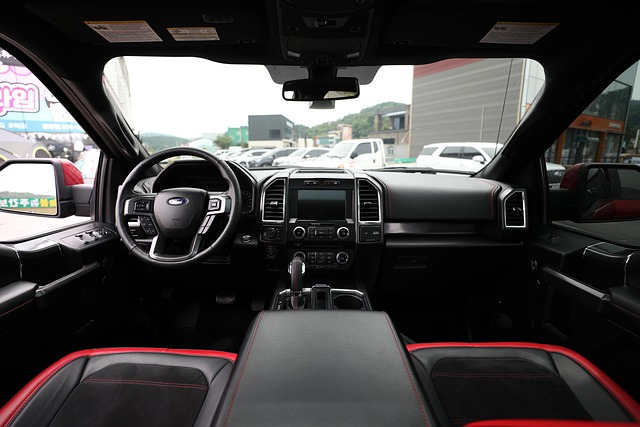
Registering a car in California involves completing several forms, but none is more crucial than the Registration Application Form. This document serves as your official connection to the state's Department of Motor Vehicles (DMV) and determines the legal status of your vehicle. Ensuring accuracy during this process is essential to avoid future complications. Start by reviewing each section meticulously; even a minor error could delay or complicate registration.
A critical component of this form is the Vehicle Identification Number (VIN). The DMV uses the VIN to verify the vehicle's history, ensuring it meets safety and emissions standards. Accurately recording this number—often found on the vehicle's chassis—is paramount. Consider using a mobile VIN verifier for convenience; these apps and services can instantly cross-check the VIN against national databases, providing peace of mind and saving you time. For instance, many auto shops and mobile inspectors now offer this service, allowing you to verify the VIN before submitting your application.
Double-checking details like the vehicle's make, model, year, and color is equally vital. Inaccurate information can lead to issues when matching records with the DMV database. If you're registering a classic car or a custom build, ensure all modifications are accurately documented. This meticulous approach guarantees that your registration application stands out for the right reasons, ensuring a smooth process from start to finish.
Pay Registration Fees and Receive Your Vehicle's Title

Registering a car in California involves several crucial steps, and one of the most critical is paying the registration fees and receiving your vehicle's title. The process begins with ensuring your vehicle meets all legal standards through a DMV VIN verifier or a mobile VIN verification service. This step is essential to verify the vehicle's identity and history, which includes checking for any outstanding liens or previous accidents. Many Californians opt for a mobile VIN inspection, as it offers convenience and speed.
Once your car has passed the initial checks, you'll need to pay the registration fees, which include a base cost plus additional charges based on factors like vehicle type, age, and emissions standards. The California DMV provides detailed fee schedules that are updated regularly. After submitting the required forms and paying the fees, you'll be issued a new registration certificate and, importantly, the original vehicle title. This document is vital as it signifies ownership and is necessary for future transactions or insurance claims.
To streamline this process, consider using a mobile VIN verifier or inspection service. These services can save time by allowing you to complete the initial verification step from the comfort of your home or office. Moreover, having your vehicle's history readily available can help ensure accurate registration and title issuance, avoiding potential delays or issues down the line. Always remember to keep your registration up-to-date and your title secure for smooth ownership transitions.
By meticulously preparing required documents, visiting or using online services at your local California DMV, verifying the Vehicle Identification Number (VIN) with a trusted dmv vin verifier, completing the registration application form accurately, paying registration fees, and receiving your vehicle's title, you've taken crucial steps to register your car in California. This process ensures not only compliance with legal requirements but also provides peace of mind, enabling you to enjoy your vehicle with confidence in its authenticity and status. The insights offered in this article serve as a comprehensive guide, empowering you to navigate the registration process efficiently and effectively.