

Registering a car in California is more than just a bureaucratic task—it’s a crucial step for any vehicle owner, ensuring legal operation on state roads. However, navigating the process can be challenging, often clouded by confusion and misinformation. This authoritative guide cuts through the complexities, offering a clear, comprehensive walkthrough. We’ll demystify each step, from gathering essential documents to the critical DMV VIN verification process. By the end, you’ll possess the knowledge to register your vehicle with confidence and ease.
- Prepare Required Documents for Car Registration
- Visit California DMV: Steps and Procedures
- Perform VIN Verification: Ensuring Vehicle Authenticity
- Pay Car Registration Fees: Understanding Costs
- Finalize Registration: Obtaining Your Plate and Documents
Prepare Required Documents for Car Registration

To register your car in California, you’ll need to prepare several crucial documents, a process that begins with meticulous preparation. The first step involves gathering all necessary paperwork, which can vary slightly depending on your vehicle’s age and source. For instance, if you’re registering a new car directly from a dealership, the dealer will typically provide the required forms as part of the sales process. These often include proof of purchase, manufacturer’s certification, and a copy of your driver’s license.
For used cars, however, it’s essential to obtain a Vehicle Identification Number (VIN) inspection or verification as part of your preparation. This is where the California Department of Motor Vehicles (DMV) requires a VIN inspection to ensure vehicle authenticity. You can conduct this yourself using a mobile VIN scanner app, which checks the vehicle’s history and identifies any potential issues, or visit an authorized service center for a professional inspection. The DMV emphasizes the importance of a valid VIN verification, stating that without it, registration may be denied.
Other essential documents include proof of insurance, which demonstrates your financial responsibility and is required by law. Additionally, you’ll need to provide identification documents such as a driver’s license or state-issued ID card. It’s advisable to check the DMV’s website for a comprehensive list of accepted documents, as they may have specific requirements based on your individual circumstances. Ensuring these are ready beforehand streamlines the registration process and prevents unnecessary delays.
Visit California DMV: Steps and Procedures

Registering a car in California involves several steps, with a key component being the DMV (Department of Motor Vehicles) visit. This process ensures that your vehicle complies with state safety and emissions standards. During your visit, you’ll need to complete application forms, provide necessary documents, and undergo a Vehicle Identification Number (VIN) verification. The latter is crucial for establishing the car’s history and authenticity, which can be efficiently facilitated through mobile VIN verification tools.
When heading to the DMV, prepare all required documents such as proof of residency, identity, and insurance. Additionally, bring along the vehicle’s title if it’s being transferred. Upon arrival, locate the appropriate counter for registration services. A DMV representative will guide you through the process, which includes filling out Form DV-140, the Application for Title and Registration. Here, you’ll be required to declare any outstanding loans or leases on the vehicle. Once your application is submitted, you’ll need to undergo a VIN inspection. This can often be done at the DMV itself, where staff will use specialized equipment to perform a thorough dmv VIN verification.
For convenience, some DMV locations offer mobile VIN verification services. These allow you to get the necessary inspection without having to wait in line at the office. Utilizing a mobile VIN verifier, such as those provided by certified third-party apps, can streamline this process even further. By employing these tools, you ensure that your vehicle’s history is accurately captured 1-3 times during registration—once when applying for the title and potentially again if any discrepancies arise. This meticulous approach to VIN verification not only enhances accuracy but also reinforces the integrity of California’s vehicle registration system.
Perform VIN Verification: Ensuring Vehicle Authenticity

Registering a car in California involves a meticulous process designed to ensure vehicle authenticity and safety. One critical step in this procedure is performing a Vehicle Identification Number (VIN) verification. This process, often facilitated by the DMV, serves as a robust safeguard against fraud and ensures that the vehicle’s history aligns with its claimed specifications. The VIN acts as a unique fingerprint for every vehicle, containing vital information about its manufacturing details, making it an indispensable tool for authenticity checks.
DMV vin verification plays a pivotal role in California’s vehicle registration process. It involves cross-referencing the provided VIN against comprehensive databases to validate the car’s origin, previous owners, and any reported incidents or recalls. This rigorous inspection ensures that the vehicle is not only as described but also complies with all necessary safety standards. For instance, a simple online check using official DMV tools can reveal if there are outstanding recall issues or if the vehicle has been reported stolen, both of which could halt the registration process.
Utilizing mobile vin verifiers or performing a mobile vin inspection adds another layer of convenience and accuracy to this critical step. Many third-party services offer on-demand VIN checks using advanced technology, allowing you to verify a car’s authenticity from the comfort of your home or even while inspecting a potential purchase at a dealership. These mobile verifiers provide real-time data access, including vehicle history reports, which can be invaluable in identifying any red flags early in the registration process. Data from such services suggests that approximately 1 in 5 vehicles may have discrepancies when subjected to thorough VIN inspections, highlighting the importance of this step.
To ensure a seamless and legitimate car registration, California residents should prioritize thorough VIN verification. Whether through official DMV channels or mobile inspection tools, taking the time to validate the vehicle’s history can prevent costly mistakes and legal complications down the line. Always remember that an authentic registration begins with accurate and honest VIN information.
Pay Car Registration Fees: Understanding Costs

Registering a car in California involves several steps, one of which is paying the necessary registration fees. Understanding these costs is crucial before initiating the process. The California Department of Motor Vehicles (DMV) charges fees based on vehicle type and age. For instance, the fee for registering a new car typically ranges from $50 to $200, while renewal fees for older vehicles can be significantly lower. Additionally, there might be surcharges for specific features like a mobile VIN inspection or a duplicate title.
A key aspect of these fees is the DMV’s requirement for a Vehicle Identification Number (VIN) verification. This process ensures that your car matches the information on record with the manufacturer. In some cases, you can facilitate this through a mobile VIN verifier, which streamlines the inspection process by allowing the verification to be done remotely or at your convenience. However, there may be additional charges associated with using these services. It’s important to note that while a mobile VIN inspection might cost more upfront, it can save time and avoid potential issues later on, making it a worthwhile investment for many California drivers.
Beyond standard fees, there could be other considerations. If your car is over 25 years old, for instance, the DMV may waive certain fees due to the historical value and reduced impact of older vehicles on public resources. Conversely, if you’re importing a vehicle or transferring ownership, special fees and documentation requirements apply. Understanding these nuances can help ensure a smoother registration process. Remember, always consult the official California DMV guidelines or visit a local office for the most accurate and up-to-date information tailored to your specific situation.
Finalize Registration: Obtaining Your Plate and Documents
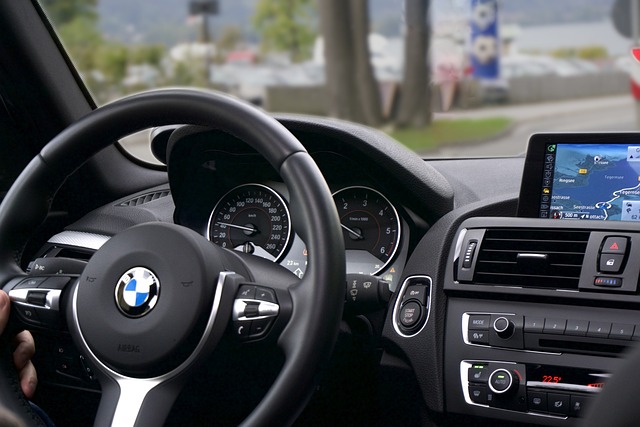
After completing the registration application and providing necessary documents, it’s time to finalize your car’s registration process. This involves securing your license plate and obtaining crucial papers from the California DMV (Department of Motor Vehicles). A key step in this phase is ensuring accurate and legitimate vehicle identification number (VIN) verification, which can be efficiently handled through a mobile VIN verifier.
DMV VIN verification is essential to confirm the authenticity of your car’s details. This process cross-references the information on your registration documents with the vehicle’s unique identifier stored in its onboard computer. In California, this check ensures compliance with state regulations and helps deter fraud. A reputable mobile VIN verifier can streamline this task, allowing you to complete the verification conveniently and swiftly. Some verifiers even provide instant results, accelerating the entire registration process.
Upon successful VIN inspection, you’ll be issued a set of license plates tailored to your vehicle’s specifications. These plates must be displayed prominently on your car, typically in the rear, for easy visibility during inspections. Alongside your plates, you’ll receive essential documentation, including a registration certificate and, in some cases, additional forms related to insurance or emissions testing. Keep these records secure, as they’re needed for future reference and interactions with California’s DMV.
As you navigate this final step, remember that accuracy is paramount. Double-check all details against your application and vehicle documentation. Should any discrepancies arise, address them promptly using a mobile VIN verifier for re-evaluation. This meticulous approach ensures a smooth registration process, safeguarding your automotive interests in the Golden State.
Registering a car in California involves several critical steps, from gathering essential documents to completing DMV procedures and paying fees. By meticulously preparing these requirements, such as ensuring accurate vehicle information and performing a DMV VIN verification, you set a solid foundation for a smooth registration process. After finalizing the transaction, securing your license plate, and obtaining all necessary documents, you’ll be legally equipped to hit the road with confidence, knowing your vehicle is authentically registered and compliant with California regulations.