

Registering a car in California is a crucial step for any new or existing vehicle owner, ensuring legal compliance and facilitating smooth driving experiences. However, navigating the process can be daunting, given the stringent regulations and paperwork involved. This comprehensive guide aims to demystify the entire procedure, offering expert insights on every step, from gathering essential documents to undergoing the necessary DMV VIN verification. By following these detailed instructions, you’ll gain confidence in registering your vehicle efficiently and accurately.
- Gather Required Documents for Car Registration
- Prepare Your Vehicle for DMV Inspection (including VIN Verification)
- Complete the California Car Registration Application Process
- Pay Car Registration Fees and Taxes at the DMV
- Receive Your Vehicle's Registration Certificate and License Plate
Gather Required Documents for Car Registration

Registering a car in California involves several crucial steps, and one of the most critical is ensuring you have all the required documents. This process can be streamlined by being proactive and prepared. Gather your vehicle’s registration application (Form DV304), which can be obtained from the California Department of Motor Vehicles (DMV). Among other things, this form will require detailed information about your car, including its make, model, year, and unique Vehicle Identification Number (VIN). Accurately recording these details is essential for a smooth registration process.
A key document in the registration process is proof of DMV VIN verification. This step ensures that your vehicle’s VIN is accurate and matches the records on file with the state. You can facilitate this process by utilizing a mobile VIN inspection or verifier, which allows you to quickly and conveniently verify your car’s VIN. Many mobile apps and services offer this functionality, making it an accessible option for California residents. For instance, some apps even provide additional benefits like vehicle history reports, which can be invaluable when confirming the vehicle’s condition and previous ownership.
Additionally, you’ll need to supply documentation such as proof of insurance, a valid driver’s license, and a completed title transfer (if applicable). The title transfer is particularly important if you’re purchasing a used car, ensuring that all legal paperwork is in order. It’s recommended to check with your local DMV office for any specific requirements or additional documents they may request. By proactively gathering these materials, including taking advantage of mobile VIN verification options, you can expedite the registration process and avoid potential delays.
Prepare Your Vehicle for DMV Inspection (including VIN Verification)
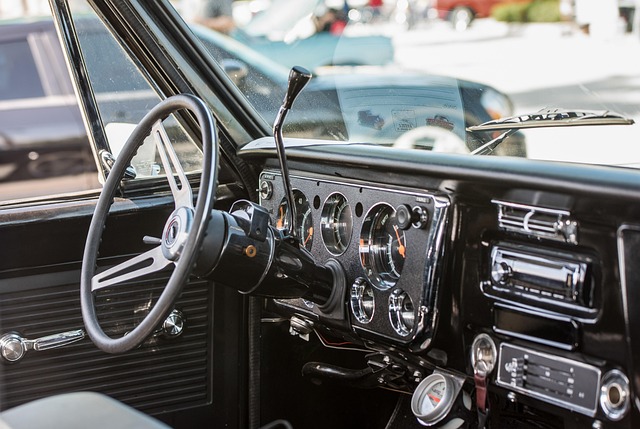
Before registering your vehicle in California, ensure it’s prepared for the DMV inspection process. This involves a crucial step known as DMV VIN verification, where the unique Vehicle Identification Number (VIN) of your car is cross-checked against manufacturer records to ensure authenticity and compliance with safety standards. The state requires this verification as part of its rigorous registration procedures.
For many vehicle owners, the term ‘DMV vin verification’ can be intimidating, but it’s a straightforward process when you understand the steps involved. It typically includes a visual inspection of your car’s VIN plate, located usually on the dashboard or chassis, followed by a digital scan using specialized equipment. Some businesses offer mobile vin inspection services, allowing you to get this done conveniently at your location. These services employ certified technicians who can perform both visual and digital checks, ensuring accuracy in the process.
During the inspection, officials will compare the provided VIN with the one listed in California’s database. This check helps verify that your vehicle is not a stolen car or has not been reported as damaged beyond repair. Additionally, it ensures that the car meets all necessary safety standards and emissions requirements set by the state. It’s beneficial to be prepared for this step, especially if you’re importing a classic car or purchasing a used vehicle with an unclear history. Many online resources can guide you through the process, offering tips on how to locate and interpret your VIN for a successful inspection.
Complete the California Car Registration Application Process

Registering a car in California involves several crucial steps, with meticulous attention to detail required at every turn. After gathering necessary documents and ensuring your vehicle meets all legal standards, it’s time to complete the California Car Registration Application Process. This process begins with filling out Form DMV-123 (or its equivalent), which requires accurate and up-to-date information about both the vehicle and its owner.
A key aspect of this process involves a DMV VIN verification, ensuring that the Vehicle Identification Number (VIN) is legitimate and matches the specifications of your car. This step is essential to prevent fraud, and it’s surprisingly straightforward. You can conduct this verification online through the California DMV’s official portal or in person at a local field office. To streamline this process further, consider utilizing mobile VIN verifiers. These apps or services allow you to check a vehicle’s history quickly and conveniently by simply scanning the VIN with your smartphone—a significant time-saver during an already busy registration period.
Once your application is approved, and after completing any necessary inspections (including a vin inspection), you’ll receive your registration documents in the mail. Keep these records secure, as they’re essential for future reference and proof of vehicle ownership. It’s also worth noting that some counties in California offer mobile registration services, allowing you to register your car without visiting a DMV office. This convenience is yet another option available to make navigating the registration process easier.
Pay Car Registration Fees and Taxes at the DMV

Registering a car in California involves several crucial steps, one of which is paying the necessary registration fees and taxes at the Department of Motor Vehicles (DMV). These costs vary based on vehicle type, age, and other factors. For example, as of 2023, the base fee for registering a passenger car ranges from $58 to $92, while commercial vehicles may incur higher rates. It’s essential to understand these fees before visiting the DMV to ensure you’re prepared and avoid any unexpected charges.
During your visit, you’ll be required to undergo a Vehicle Identification Number (VIN) verification process, which is a critical component of the registration procedure. This involves providing proof that your vehicle matches the information on its VIN record. The good news is that many California DMV locations now offer convenient mobile VIN verifier services. These tools allow you to perform a quick and accurate VIN inspection right at the registration counter, streamlining the process and saving you time. Some even provide results in real-time, ensuring any discrepancies are promptly addressed.
To ensure a smooth experience, consider taking steps like updating your vehicle’s information accurately before visiting the DMV. This includes verifying ownership, providing current insurance details, and ensuring all necessary documents are in order. Additionally, be prepared to answer questions about your vehicle history and maintenance records, as these can impact registration fees and tax calculations. By following these guidelines and utilizing available resources, such as mobile VIN inspection tools, you’ll navigate the fee payment process with efficiency and confidence.
Receive Your Vehicle's Registration Certificate and License Plate
After completing your California vehicle registration application at the DMV, it’s time to receive your Vehicle’s Registration Certificate (VRC) and License Plate. This crucial step formalizes your ownership and ensures your car is legally registered with the state. The VRC contains vital information about your vehicle, including its make, model, year, and unique Vehicle Identification Number (VIN). It’s essential to keep this document secure as it serves as proof of registration during traffic stops and other official matters.
The California DMV offers several convenient methods for acquiring your license plate, including in-person at a local field office or through their online services. If choosing the latter, you may print your temporary registration and display it on your vehicle until the permanent license plate arrives by mail. In today’s digital age, many Californians opt for mobile vin verifier applications that facilitate the VIN verification process, ensuring accuracy and saving time. These apps, like other mobile vin inspection tools, streamline the initial registration experience, making it easier to navigate this important administrative task.
Once your license plate is issued, securely attach it to your vehicle as required by California law. Properly displaying both the license plate and temporary registration (or permanent VRC) demonstrates compliance with state regulations. Remember that proper registration not only prevents fines but also ensures your safety and that of other drivers on California’s roads. Regularly updating your registration information, especially after significant changes like a new address or vehicle ownership, is a responsible step to maintain legal conformity and avoid potential issues during future DMV interactions.
Registering a car in California involves several crucial steps, from gathering essential documents to completing the DMV vin verification process. By preparing your vehicle and application thoroughly, paying the required fees, and receiving your registration certificate and license plate, you’ll ensure your vehicle is legally registered and ready for California’s roads. This authoritative guide provides clear instructions and highlights the significance of each step, empowering you to navigate the car registration process with confidence and ease.