

Registering a car in California is not just a formalities process; it’s a crucial step to ensure your vehicle’s legal status and your personal safety on the roads. However, navigating the requirements can be perplexing for many new car owners. This article serves as your comprehensive guide, empowering you with the knowledge to smoothly navigate the registration process. We’ll delve into every step, from gathering essential documents to understanding fees and, importantly, emphasizing the significance of VIN verification for accurate and legitimate registration.
- Understand California Car Registration Requirements
- Gather Necessary Documents for VIN Verification
- Select a Suitable California Car Registration Location
- Complete the Vehicle Registration Application Process
- Verify and Finalize Your California Car Registration
Understand California Car Registration Requirements

Registering a car in California involves understanding specific requirements to ensure legal compliance and your vehicle’s safety. The California Department of Motor Vehicles (DMV) mandates several crucial steps for car registration, with a strong emphasis on accurate vehicle identification number (VIN) verification. This process is a cornerstone of the state’s vehicle registration and titling procedures.
One of the key aspects of VIN verification involves the use of a mobile VIN verifier, a digital tool that enhances the inspection process. This technology allows for efficient and accurate data collection, ensuring that the vehicle’s history aligns with the provided VIN. It’s not just about checking for odometer fraud; a thorough VIN inspection uncovers a vehicle’s past, including accidents, major repairs, and previous ownership. For instance, California’s unique vehicle history report, accessible through the DMV, leverages VIN data to provide a comprehensive view of a car’s lifecycle.
To facilitate this, California residents are advised to gather essential documents, such as proof of ownership, insurance, and identification. Additionally, a valid driver’s license or ID card is required. If you’ve recently purchased a vehicle, ensure that the seller provides a signed bill of sale or a vehicle title. For classic or vintage cars, further documentation might be needed, including registration from another state or country. Engaging the services of a mobile VIN inspection provider can streamline this process, offering on-site verification for added convenience.
Gather Necessary Documents for VIN Verification

Before you can register your car in California, you’ll need to gather specific documents for a crucial step in the process: VIN verification. The Vehicle Identification Number (VIN) is a unique code that serves as the car’s fingerprint, providing critical information about its make, model, year, and features. California’s Department of Motor Vehicles (DMV) requires this verification as part of the registration process.
For a smooth VIN verification process, ensure you have the following documents ready: your vehicle’s registration certificate, proof of insurance, and a valid driver’s license. Additionally, you might need to present a title if you’re the vehicle’s owner or a bill of sale with the previous owner’s details if you’ve recently purchased it. A key aspect of this process is the mobile VIN inspection or verification, which allows you to check your car’s history remotely. Many online services and mobile apps offer this feature, making it convenient to verify your VIN without visiting a DMV office.
It’s important to note that some vehicles, especially those imported or with unique configurations, may require additional documentation for a complete VIN inspection. Always stay proactive and ensure you have all necessary papers in order to avoid delays during registration. Familiarize yourself with the requirements well in advance to streamline the process and get your car registered efficiently.
Select a Suitable California Car Registration Location

Selecting the ideal location for registering your car in California is a crucial step in ensuring a smooth process. With numerous options available, understanding where to begin can be challenging. Many Californians opt for the DMV (Department of Motor Vehicles) as a familiar and widely accessible choice. However, recognizing that traditional methods might not suit everyone, modern alternatives like mobile VIN inspection and vin verification services have gained popularity. These services offer convenience by allowing you to complete the initial verification process from the comfort of your home or office, providing significant time savings.
For instance, a mobile VIN verifier can perform remote checks, ensuring all vehicle details match the provided VIN (Vehicle Identification Number). This method is particularly beneficial for those with busy schedules or individuals who prefer a hassle-free experience. Moreover, these services often provide real-time updates, enabling you to make informed decisions without leaving your location. Consider using a reputable mobile vin verification provider that has established partnerships with local California DMVs, ensuring seamless data transfer and accurate results.
When choosing a registration site, consider proximity and convenience. If you’re in the initial stages of ownership, visiting a local DMV office might be straightforward. However, if you’ve recently moved to the state or prefer an alternative approach, exploring mobile services can make the process more accessible. With just a few clicks, these online platforms guide you through the necessary steps, including vin verification, and offer step-by-step instructions for document submission. By embracing modern solutions like mobile VIN inspection, registering your car in California becomes not only efficient but also adaptable to individual needs.
Complete the Vehicle Registration Application Process
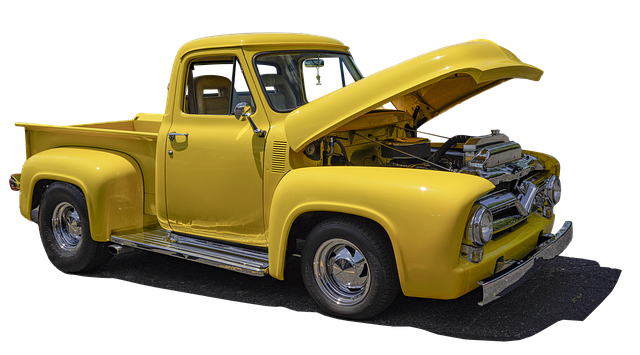
To complete the vehicle registration application process in California, you’ll need to gather essential documents and pass a critical step: Vehicle Identification Number (VIN) verification. This step ensures that your car’s details match the information on record, enhancing security and accuracy in the registration system. One effective method for VIN verification is through a mobile VIN verifier, which allows you to conduct this inspection conveniently at your location. These tools are especially useful as they streamline the process, eliminating the need for lengthy visits to designated sites.
During the VIN inspection, ensure that every detail of your vehicle—from its make and model to year and serial number—matches the information on the certificate of title and registration form. This verification is a mandatory requirement by the California Department of Motor Vehicles (DMV). For instance, if you’re transferring ownership, the VIN must be accurate for the new owner’s records. Accurate VIN data is also vital in cases of vehicle history reporting, ensuring that any potential issues or modifications are noted correctly.
Practical advice includes double-checking your VIN from various sources—vehicle identification plate, registration documents, and the car itself—before attempting any registration. If you encounter discrepancies, consult with a trusted mechanic or DMV representative to resolve them before proceeding. Proper VIN verification not only facilitates efficient registration but also plays a crucial role in maintaining California’s robust vehicle tracking system, enhancing road safety and security for all motorists.
Verify and Finalize Your California Car Registration

After gathering all necessary documents and information, the next crucial step in registering your car in California is verifying and finalizing the registration process. This involves a meticulous vin verification to ensure the vehicle’s authenticity and history are accurate. The California Department of Motor Vehicles (DMV) offers several methods for this, including mobile vin inspection services that allow you to complete this step conveniently. Engaging a mobile vin verifier can expedite the process, as these professionals are equipped with specialized tools to conduct thorough checks.
A key component of this stage is ensuring the Vehicle Identification Number (VIN) on your car matches the one listed in the registration documents and DMV records. This verification is essential for identifying potential issues like odometer rollback or non-conforming parts, which could delay or even prevent successful registration. It’s worth noting that accurate VIN data not only ensures compliance but also plays a vital role in the vehicle’s future ownership and maintenance history.
To facilitate this process, many mobile vin inspection services offer on-site or remote verifications using advanced technology. For instance, these devices can retrieve a vehicle’s historical data from various databases, including accident reports, title records, and odometer readings. By engaging a reputable mobile vin verifier, you gain access to accurate information that enhances the overall registration experience, especially in cases where traditional DMV visits might be inconvenient or time-consuming. This approach not only saves time but also reduces potential errors, ensuring a smoother transition for your vehicle’s registration.
By following these structured steps, from understanding California’s car registration requirements to finalizing your VIN verification, you’ve equipped yourself with the knowledge to navigate the process efficiently. This article has empowered you to gather essential documents, choose the right registration location, complete the application, and ensure accurate verification. With these insights, you’re now prepared to register your vehicle smoothly and securely in California, demonstrating a clear understanding of the crucial procedures involved.