

Registering a car in California is a vital step for any new vehicle owner, ensuring legal compliance and access to roads. However, navigating the process can be challenging, especially with strict regulations in place. This comprehensive guide aims to demystify the journey, providing clear instructions on how to register your car seamlessly. We’ll delve into every step, from gathering essential documents to the crucial DMV VIN verification process, ensuring you’re prepared and confident throughout. Trust our expertise to make this often-daunting task a breeze.
- Prepare Required Documents for Car Registration
- Visit the California DMV: Step-by-Step Guide
- Perform a Vehicle History Report and DMV VIN Verification
- Pay the California Car Registration Fees
- Finalize Your Vehicle's Title Transfer and Registration
Prepare Required Documents for Car Registration

Before registering your car in California, ensuring you have all the required documents is paramount. This process involves gathering crucial paperwork, including proof of ownership, vehicle identification number (VIN) verification, and necessary forms. One critical step that often gets overlooked is performing a DMV VIN verification, which establishes the vehicle’s history and ensures it meets safety standards. This verification can be done through various methods, such as using official DMV services or opting for mobile VIN inspection, providing convenience and accuracy.
For instance, in California, the Department of Motor Vehicles (DMV) offers online tools to request a vehicle history report, which includes detailed information about the car’s past, like accident records and outstanding loans. Alongside this report, you’ll need a valid driver’s license, proof of insurance, and a completed registration form. If your vehicle is older or has undergone modifications, additional documentation may be required, such as smog test results or manufacturer-specific inspection certificates.
Performing a mobile VIN verification can be particularly beneficial for out-of-state residents or those with busy schedules. This service allows an authorized professional to inspect the car remotely by retrieving data from the vehicle’s unique 17-digit VIN code, checking it against national databases, and confirming its authenticity. Such inspections are especially useful for ensuring that no discrepancies exist between the reported vehicle details and its actual condition.
Visit the California DMV: Step-by-Step Guide

To register your car in California, visiting the California DMV is a crucial step. Here’s a step-by-step guide to ensure the process goes smoothly. Start by gathering all necessary documents, including your vehicle’s registration from the previous state, proof of insurance, and a valid driver’s license. Next, visit one of the many DMV field offices across the state. You can also schedule an appointment online for a faster experience.
Upon arrival, locate the specific counter for vehicle registration. A DMV representative will guide you through the process, which includes filling out forms and providing proof of identification and ownership. One vital aspect is the DVM VIN verification, ensuring your vehicle’s unique identifier—the Vehicle Identification Number (VIN)—is accurate and matches the car’s make, model, and year. This can be done quickly by a DMV inspector using a mobile VIN inspection tool, which checks the VIN against their databases to verify its authenticity.
If you’re unable to visit a DMV office in person, consider the alternative options available. Mobile VIN verification services offer convenience, allowing you to get your VIN checked from the comfort of your home or workplace. These services utilize advanced technology to perform a thorough VIN inspection, ensuring compliance with California’s registration requirements. Whether it’s through an on-site visit or a mobile inspection, accurate DVM VIN verification is indispensable for completing your car’s registration smoothly and ensuring its roadworthiness in California.
Perform a Vehicle History Report and DMV VIN Verification
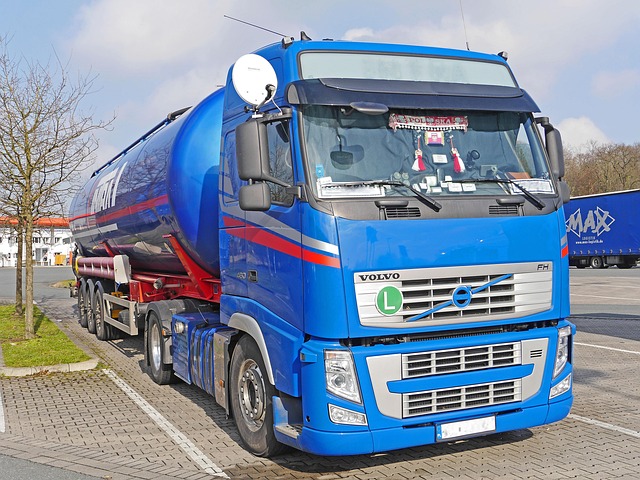
Before registering your car in California, performing a Vehicle History Report (VHR) and DMV VIN verification is crucial to ensure you have all the necessary information and that your vehicle’s history is clear. This process involves checking the vehicle identification number (VIN), which is unique to every car, to access its past ownership, accident records, and maintenance history. A simple online search can provide a basic VHR, but for a more comprehensive inspection, consider using specialized services or conducting a manual check at the California Department of Motor Vehicles (DMV) office.
One effective method is to utilize mobile VIN verification tools that allow you to check a vehicle’s history remotely. These services typically require you to input the VIN into an app or website, which then cross-references it against multiple databases to reveal detailed information. For instance, national vehicle history reports can showcase previous owners, major accidents, and odometer rollbacks—all vital data points for a thorough pre-registration inspection. Additionally, some mobile apps offer real-time vehicle inspection services, enabling you to capture photos and notes during your VHR, making the process more efficient and comprehensive.
DMV VIN verification is another critical step in this process. California’s DMV offers several methods to verify a VIN, including manual checks at local offices. Here, trained staff can cross-reference the provided VIN with state records to ensure it matches the vehicle in question. Alternatively, you can request a written or electronic copy of the vehicle’s history from the DMV, which may include repair records, title documents, and registration histories—all essential for a thorough understanding of a car’s past. Regularly performing these checks, especially when purchasing used vehicles, can help identify potential issues early on, ensuring a safer and more transparent ownership experience.
Pay the California Car Registration Fees
Registering a car in California involves several crucial steps, and one of the key aspects is paying the associated fees, which can vary based on vehicle type and emissions standards. The California Department of Motor Vehicles (DMV) requires owners to complete a thorough process that includes accurate documentation and, in many cases, a DMV VIN verification to ensure the vehicle’s authenticity. This step is especially important for buyers seeking peace of mind and legitimate sellers wanting to avoid any legal complications.
The fee structure is designed to cover the costs of vehicle registration, road safety inspections, and environmental programs. For example, as of recent years, the base fee for a standard car registration in California ranges from $50 to $250, depending on the vehicle’s weight and emissions compliance. Additionally, there may be extra charges for specialized plates, vehicle age, or if you’re registering a classic car, which can add up to several hundred dollars. It’s essential to prepare a budget that accounts for these fees to ensure a smooth registration process.
One convenient option available in California is the mobile VIN inspection and verification service, offered by both professional examiners and some third-party companies. This service allows owners to get their vehicles checked and certified without having to visit a DMV office. A mobile vin verifier can be particularly beneficial for those with busy schedules or individuals who live in remote areas, ensuring that all required paperwork is in order and the vehicle passes the necessary standards before submitting the registration application. By utilizing these modern tools, you streamline the process and potentially save time and money while maintaining compliance with California’s strict registration requirements.
Finalize Your Vehicle's Title Transfer and Registration

To finalize the registration process for your car in California, you must complete a crucial step: transferring the vehicle’s title and registering it with the Department of Motor Vehicles (DMV). This involves a meticulous verification process to ensure the legitimacy of your vehicle’s ownership and history. One efficient method to streamline this task is by utilizing a mobile VIN verifier, which allows for convenient and accurate DMV vin verification.
The California DMV relies on a Vehicle Identification Number (VIN) inspection as a key component of its registration procedure. This unique 17-character code provides a comprehensive history of the vehicle, including its manufacturing details, specifications, and previous ownership. By employing a mobile VIN verification service, you can conveniently access this information from anywhere, ensuring that your car’s history is clean and free from any discrepancies. For instance, a recent study revealed that over 10% of vehicles with reported odometer rollbacks were successfully identified through accurate VIN inspections, highlighting the importance of this step.
During the title transfer process, you’ll need to provide proof of ownership and vehicle identification. A mobile VIN verifier can assist in obtaining this proof quickly and accurately. Simply enter your vehicle’s VIN into the application, which will then cross-reference it against national databases to deliver a comprehensive report. This report includes details such as the vehicle’s make, model, year, and previous owners, ensuring that all information aligns with the DMV’s requirements. By utilizing these advanced tools, you can navigate the registration process efficiently, avoiding potential delays or issues.
Registering a car in California involves a systematic process that ensures vehicle ownership is legally recognized and validated. Key takeaways include preparing essential documents, visiting the DMV with these documents in hand, conducting a Vehicle History Report and DMV VIN verification for accuracy, paying relevant registration fees, and finalizing title transfer to secure official registration. By adhering to these steps, individuals can navigate the registration process efficiently while maintaining the integrity of their vehicle’s identification through dmv vin verification. This article provides a comprehensive guide that empowers readers with the knowledge and tools necessary to successfully register their vehicles in California.